
Quality · 24 October 2026 · 5 min read
Where cheap solar cuts corners, and how to spot it
A low quote is not always a bad one, but the saving comes from somewhere. Six places to look, and the questions that bring them into the open.
By Michael John, Central Solar
A low solar quote isn't automatically a bad one. Some companies run lean, buy well and pass that on. But when one quote sits well under the others for what looks like the same system, the saving has to come from somewhere. These are the places it usually comes from, and the questions that bring each one into the open before you sign.
The brand on the quote isn't the brand on the roof
One way a job gets cheaper after you've agreed to it is a quiet swap. The quote named one panel or inverter, and something different arrives on installation day. Sometimes there's a fair reason, such as a model being discontinued. Sometimes there isn't.
Make sure your quote lists the exact make and model of the panels, the inverter and any battery, rather than a vague line like "tier one panels" or "quality inverter". Ask for it in writing that any substitution needs your approval first. On the day, compare the labels on the boxes or the panel backs with your quote.
It also helps to know who you are buying from. Retailers approved under the New Energy Tech Consumer Code have signed up to standards on how they sell and how they look after customers afterwards, and Solar Victoria requires its authorised retailers to hold that approved seller status.
Small parts that cost little and matter a lot
Isolators, breakers, connectors and cable are the cheapest parts of a solar system, which makes them the easiest place to trim. They are also where a lot of faults begin.
The plugs that join panel cables are a good example. The Australian standard says they may only be mated with connectors from the same manufacturer that are designed to go together. Energy Safe Victoria reports that Solar Victoria audits found mismatched connectors in 30 per cent of systems in 2019 and around 8 per cent in 2022, and that fire services still report fires caused by them. Different brands can look almost identical, so this comes down to the installer buying matched parts every time.
Ask what brand of isolators and connectors will be used, and whether the connectors match the ones on the panels.
An inverter asked to do too much
Putting a little more panel capacity on the roof than the inverter is rated for is normal and sensible, because panels rarely produce their full rating. Solar Victoria explains that for the system to qualify for STCs, the array can be no more than 33 per cent larger than the inverter, so 6.6 kW of panels on a 5 kW inverter is fine.
Trouble starts when the inverter is the item chosen to bring the price down, or when it is mounted in full sun where heat makes it throttle back. Solar Victoria points out that when a grid connected inverter fails, the panels sit idle until it is repaired or replaced. It works the hardest of anything in the system, which makes it a poor place to save the most.
The company you meet isn't the crew who turns up
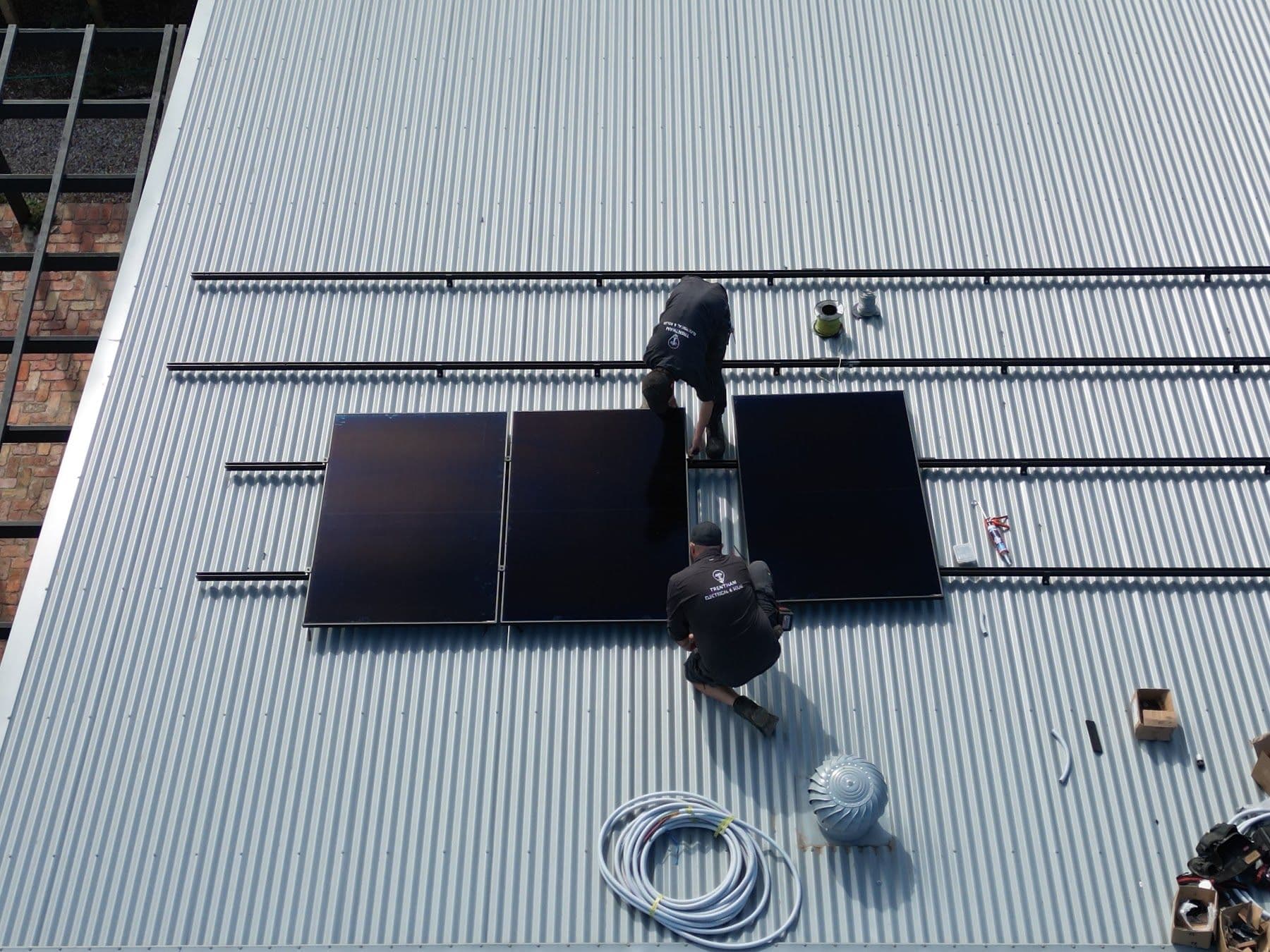
Some solar businesses are mainly sales operations. They sell the job, then pass it to a subcontractor, who may pass it on again. Each link takes a margin, and the crew on your roof ends up with the least time and money to do it properly.
Using subcontractors isn't wrong in itself. What matters is who is accountable. The Clean Energy Regulator requires an installer accredited with Solar Accreditation Australia to complete or supervise the installation and to be on site at set stages. Ask who will physically install your system, whether they are accredited, and who you ring if something goes wrong years from now.
No monitoring, no way of knowing
A system can underperform for months without anyone noticing if nobody is watching it. Some packages leave monitoring unconnected or leave it for you to work out. Solar Victoria makes the point that monitoring remotely is far more useful than having to go outside and check, and suggests a service that tells you when something goes wrong. Ask whether monitoring is included, whether it will be working on the day, and who gets the alert when a fault appears.
Nobody to call
Warranties are only as good as the people who stand behind them. Solar Victoria notes that under Australian Consumer Law the importer is responsible for the manufacturer's warranty, and a workmanship warranty is only worth something while the company is trading and reachable. A sharp price from a business with no local crew can turn into a long wait when a fault turns up.
Comparing quotes fairly
When you lay quotes side by side, compare:
- The exact panel, inverter and battery models.
- The inverter size against the panel capacity.
- Who installs it, and their accreditation.
- Whether monitoring is included and connected.
- The workmanship warranty, in writing, and who stands behind it.
- Where the company is based and how you reach them for service.
A quote that is clear on all six is usually a quote you can trust, whatever the price.
How we lay ours out
We offer three tiers, Premium, Balanced and Essential, so you can choose a budget without wondering what has been left out. Each names its inverter brands and carries a 25-year panel warranty, every system is independently inspected by a licensed Electrical Inspector, and Balanced and Premium systems include fault monitoring. Compare them on our solar systems page.
Michael John
Central Solar, New Gisborne