
Quality · 28 October 2026 · 4 min read
The solar inspection and your Certificate of Electrical Safety
Every Victorian solar install is checked by an independent licensed electrical inspector. Here is what they look at and the certificate you should get.
By Michael John, Central Solar
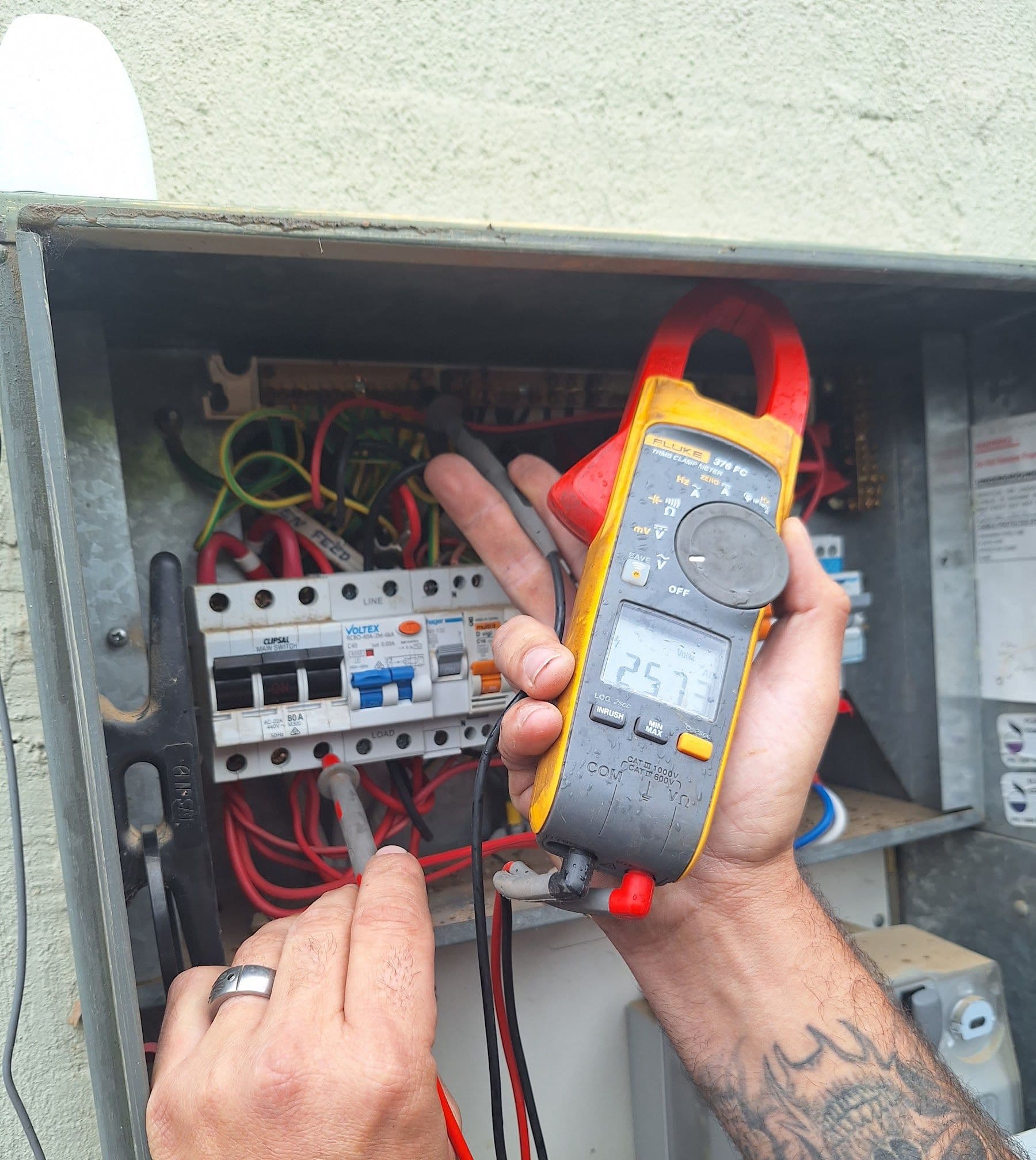
Every solar system installed in Victoria is checked by someone who didn't build it. Before your panels can power a single light, a licensed electrical inspector has to look over the work and certify that it is safe. That step, and the certificate that comes out of it, is one of the better consumer protections in Australian solar. Here is how it works and what it means for you.
Solar is prescribed electrical work
Energy Safe Victoria, the state's electrical safety regulator, sorts electrical jobs into two groups. Non-prescribed work, such as lights, power points or an air conditioner, is tested by the electrician who did it and switched on once complete. Prescribed work carries more risk and needs an independent inspection. Energy Safe lists renewable energy systems, including solar panels and battery storage, as prescribed work, alongside consumer mains, main switchboards and the main earthing system.
The rule that follows is simple. Energy Safe says prescribed work cannot be turned on, or left turned on, until it has been inspected.
Who does what
Three parties are involved, and you only deal with one of them.
- The installing electrician completes and tests the work, then fills in their part of the Certificate of Electrical Safety. Only registered electrical contractors and licensed electrical workers can buy and lodge these certificates.
- The licensed electrical inspector is organised by the electrician to check the work. Energy Safe says the inspection should be completed within 8 business days of the work being finished. The inspector records any defects, certifies the inspection and confirms the installation is safe to connect.
- Energy Safe Victoria receives a copy of every certificate and audits completed work. It does not book or schedule inspections itself.
As the customer, you should get your own copy. For prescribed work, Energy Safe says the electrician must give it to you within 4 days of the certificate being completed, once the inspection is done.
What the inspector looks at
An inspection is a hands-on check of the installation against the wiring rules and the standards for solar arrays and inverters. Every site is different, but an inspector will typically look at:
- How the array is mounted, and how cables are run and protected on the roof and down the wall
- DC isolation, including the isolators or breakers and how they are labelled
- The connectors, and whether matching pairs from one manufacturer have been used
- Earthing of the panel frames and mounting rails
- Cable sizes and circuit protection between the inverter and the switchboard
- The switchboard work, including new breakers and anything changed to fit them
- Warning signs, shutdown instructions and labels at the meter box and switchboard
- The test results recorded by the installer
If something isn't right, the inspector records the defect and the electrician has to fix it before the work can be certified.
Why the certificate matters to you
The certificate is your proof that the job was checked by someone with nothing to gain from passing it. Keep it with your house papers, along with the system manual and warranties. If the system is ever extended or altered, that new work gets its own certificate.
The rules have teeth, too. Energy Safe says an electrician cannot refuse to issue a certificate for any reason, including a payment problem or a contract dispute, and that failing to meet the certificate requirements is a criminal offence that can lead to a licence being suspended or cancelled. If you have had prescribed work done in the last three years and never received a certificate, you can lodge a complaint with Energy Safe.
What an inspection doesn't cover
An inspection is about electrical safety on the day. It isn't a check that the system was sized well for your household, a judgement on the quality of the panels, or proof that you received the brands you were quoted. Those still come down to the company you choose. Think of the certificate as the floor, not the ceiling.
Questions to ask before you sign
- Who will inspect the system, and roughly when?
- Who sends me the Certificate of Electrical Safety, and how?
- Is the installer accredited with Solar Accreditation Australia, and will they be on site?
- What happens if the inspector finds a defect?
A clear answer to each is a good sign. Vague answers are worth noting.
How we handle it
Every Central Solar system is independently inspected by a licensed Electrical Inspector, and we look after the paperwork that goes with it, including your rebate claim. If you have questions about the inspection on a new system, or about one already on your roof, talk to us.
Michael John
Central Solar, New Gisborne