
Equipment · 11 October 2026 · 4 min read
String inverters, optimisers or microinverters: which suits your roof
How string inverters, optimisers and microinverters differ, and how shade, split roof faces and parts on the roof decide which one suits your home.
By Michael John, Central Solar
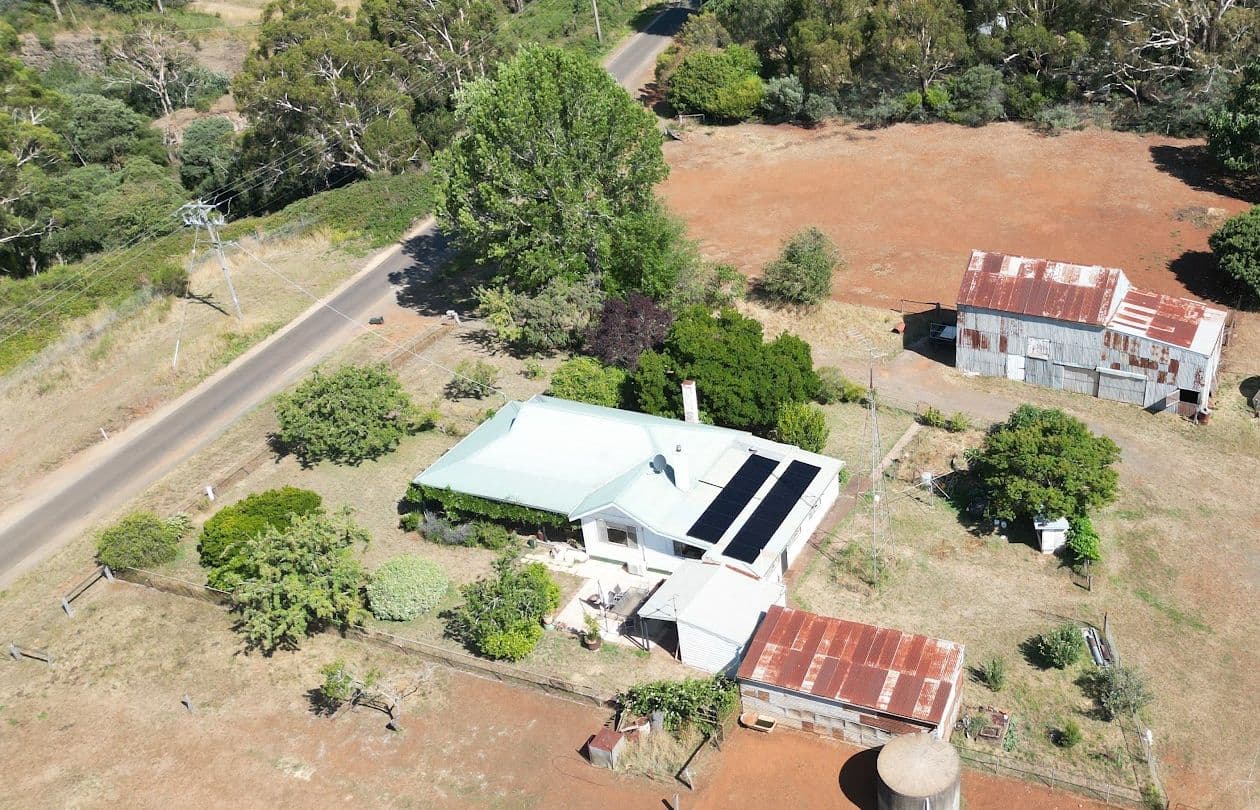
The right inverter layout depends on your roof more than on any brochure. A clear, single roof face suits a plain string inverter. Patchy shade or panels spread over many small faces is where optimisers or microinverters earn their extra cost. Here is how each works and what to weigh up.
The three layouts in plain words
Solar panels make direct current (DC). Your home and the grid run on alternating current (AC). Something has to convert one to the other, and the three layouts differ in where that happens.
- String inverter. The panels are wired in a chain, called a string, and one inverter on the wall converts the lot. Fronius, Sungrow and most hybrid battery inverters work this way.
- String inverter with optimisers. Each panel gets a small optimiser on the roof that tunes its output, and one inverter on the wall still does the conversion. SolarEdge is the best known example.
- Microinverters. Each panel gets its own tiny inverter on the roof, so AC comes off the roof instead of DC. Enphase is the best known maker.
Shade: the main reason to go beyond a string
In a plain string, panels share one current. If a tree, flue or neighbour's roof shades one panel, that panel can hold back others in its string. Panels have bypass diodes that limit the damage, but shade still costs more energy on a string than on a layout where every panel works alone.
Optimisers and microinverters let each panel run at its own best point. A shaded panel produces less, and the rest carry on at full strength. If shade moves across your roof through the day, especially in winter when the sun is low, this independence is worth real energy.
If your roof is open to the sun from mid morning to mid afternoon, the gain is small, and a string inverter does the job well.
Several roof faces
Many homes have panels split across faces pointing different ways, for example some east and some west. Panels facing different directions peak at different times of day.
A modern string inverter usually has more than one tracking input. Fronius's Symo GEN24, for example, has two, so one inverter can run an east string and a west string separately. For two or even three well sized faces, that is often all you need.
Where panels are scattered over many small faces, with only two or three panels on some, strings become hard to balance. That is where optimisers or microinverters make the design simpler and the output better.
Parts on the roof
This is the trade-off that gets least attention. A string inverter puts no electronics on the roof, only panels and cable. An optimiser or microinverter system puts one device under every panel, so a 20 panel system has 20 extra electronic parts sitting in the heat of a roof for decades.
Two things follow from that:
- Fixing a fault means going on the roof. If a wall mounted string inverter fails, it can be swapped from the ground. If an optimiser or microinverter fails, someone has to get up and lift a panel.
- The warranty on the roof parts matters. The makers back them for a long time. SolarEdge's Australian warranty lists 25 years for its power optimisers and 12 years for the inverter on the wall. Enphase gives a 25-year limited warranty on IQ8 microinverters activated in Australia from 1 October 2024. Ask what the warranty covers if a roof part fails, and whether labour to replace it is included.
Fewer connections on the roof has also been the direction of the Australian rules. The Clean Energy Regulator reported that rooftop DC isolators had been a common point of failure, and the 2021 update of the installation standard, AS/NZS 5033, largely removed the requirement for them on typical home systems. Since then the Regulator has reported fewer unsafe installations in its inspections.
Monitoring
All three layouts come with an app. The difference is detail. A string inverter reports what each string is doing. Optimisers and microinverters report every single panel, which makes it easy to see one that has failed or is dirty.
Batteries
If you want a battery now or later, check how it connects. Hybrid string inverters (and SolarEdge's system) connect a battery directly on the DC side. Microinverter systems produce AC at the roof, so the battery generally comes with its own AC battery inverter. Both work. They are simply designed differently, so plan the battery when you plan the solar.
A simple way to decide
- Open roof, one or two faces: a quality string inverter.
- Patchy shade, or panels on many small faces: optimisers or microinverters.
- You want to see every panel: optimisers or microinverters.
- You want as little as possible on the roof: a string inverter.
Whichever way it goes, every Central Solar system is checked by an independent licensed Electrical Inspector. If you would like us to look at the shade and layout on your roof, get a quote and we can talk you through which option suits it.
Michael John
Central Solar, New Gisborne