

Quality · 16 October 2026 · 4 min read
Solar warranties explained, and who stands behind them
Product, performance, inverter, battery and workmanship warranties cover different things. How they fit together, and why a local presence matters.
By Michael John, Central Solar
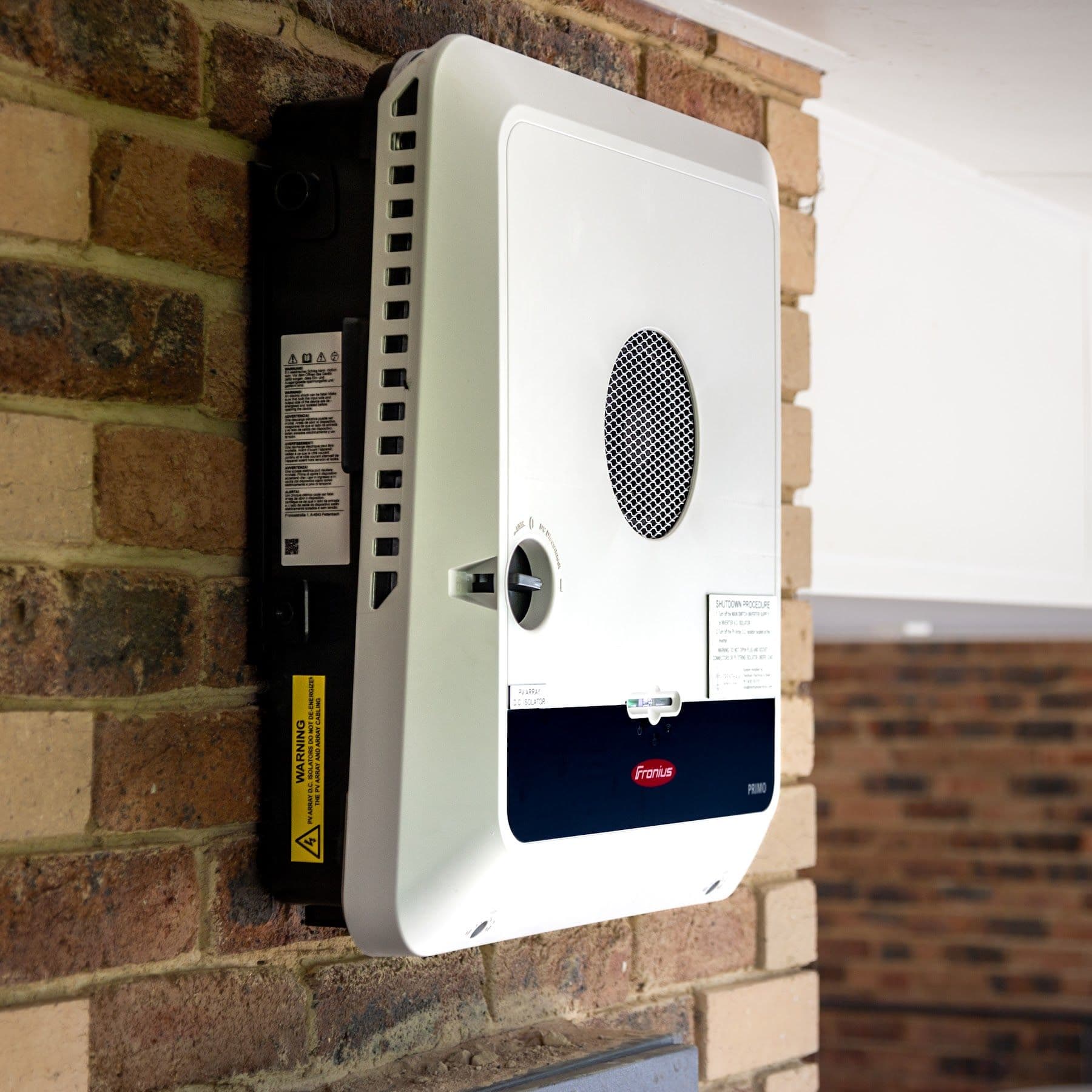
A solar system comes with a whole stack of warranties, and they don't all cover the same thing or last the same length of time. Knowing which is which is the difference between a quick fix and a long argument when something fails. Here is how they fit together.
Panels: two warranties in one
Panel warranties come in two parts, and they are easy to mix up.
The product warranty covers defects in the materials and manufacture of the panel itself, such as a failed junction box, a damaged frame or layers separating. Solar Victoria notes these have usually run for around 10 years, with some manufacturers offering 25 years or more.
The performance warranty covers how much power the panel keeps producing as it ages. Every panel loses a little output each year, and this warranty sets a floor under that decline. As an example, the Australian datasheet for one of Jinko's Tiger Neo panels lists a 25-year product warranty (applicable in Australia), a 30-year linear power warranty and 0.40 per cent annual degradation, with 87.4 per cent of the original output guaranteed at year 30.
Read both numbers. A long performance warranty paired with a short product warranty means the output is promised for decades, but a physical defect may only be covered for a fraction of that time.
Inverters
The inverter converts your panels' power into the kind your home uses, and it is the part most likely to need attention over the life of a system. Solar Victoria suggests five years as a minimum inverter warranty, says a properly installed inverter should last at least 10 years, and notes an extended warranty is often available to buy.
Warranty terms vary a lot between brands. Before you sign, check the length on the specific model you're being quoted, and ask whether the manufacturer wants the inverter registered. If it does, make sure that has been done before the installer hands over.
Batteries
Battery warranties usually combine a time limit with a performance promise. Sungrow's warranty for its HV batteries is a useful illustration. For batteries installed from 1 October 2024 it covers defects for 10 years from installation, or 126 months from manufacture, whichever comes first, and promises the battery will keep at least 70 per cent of its capacity at the end of that time when used for daily self consumption and backup. Some battery warranties also cap the total energy the battery can deliver, so read yours carefully.
The same document lists what can void the cover, including faulty installation or commissioning and running the battery outside its temperature range. That is why the person who installs a battery matters to its warranty as much as the brand does.
Workmanship
The workmanship warranty is the installer's promise about their own work: the roof fixings and penetrations, the cable runs and the connections. Solar Victoria describes it as the responsibility of the system installer, covering their work rather than the equipment. Its length is set by each company, so get it in writing and compare it between quotes.
Australian Consumer Law sits underneath it all
Separate from any written warranty, Australian Consumer Law gives you automatic consumer guarantees: what you buy must be of acceptable quality and do what it is supposed to do. The ACCC says these guarantees apply regardless of any warranty from the seller or manufacturer, and that they have no fixed expiry date. A warranty that has run out doesn't necessarily mean your rights have.
Manufacturers' own documents often say as much. Sungrow's battery warranty, for one, states that it doesn't limit or replace your statutory rights.
Why local presence matters when you claim
A warranty is a promise that somebody has to keep. When a panel, inverter or battery fails, the claim usually starts with your installer, who diagnoses the fault, deals with the manufacturer and replaces the part. Solar Victoria points out that under Australian Consumer Law, the importer is responsible for the manufacturer's warranty, and suggests knowing who your importer is because sending panels back overseas is not practical.
That leaves two practical checks:
- Is the manufacturer properly represented in Australia? A local office and support line makes a claim far simpler than chasing a company overseas.
- Will your installer still be around? A long workmanship warranty is worth little if the company is gone. Solar Victoria also suggests checking whether your installer or retailer will help you make manufacturer warranty claims.
Keep the paperwork together
Store your warranty documents, serial numbers, invoice and Certificate of Electrical Safety in one place, and register any product whose maker asks for it. When something does go wrong, those papers turn a long phone call into a short one.
Our warranties
All three Central Solar tiers carry a 25-year panel warranty, and our Premium systems come with up to a 15-year inverter and battery warranty. We are based in New Gisborne, so when you need us we are close by. Have a look at our home batteries to compare what each option covers.
Michael John
Central Solar, New Gisborne