
Local · 14 October 2026 · 4 min read
Solar in Bacchus Marsh: making west-facing roofs work
Hot afternoons and plenty of west-facing roofs. Why a west array can suit a Bacchus Marsh home, and how to design one properly.
By Michael John, Central Solar
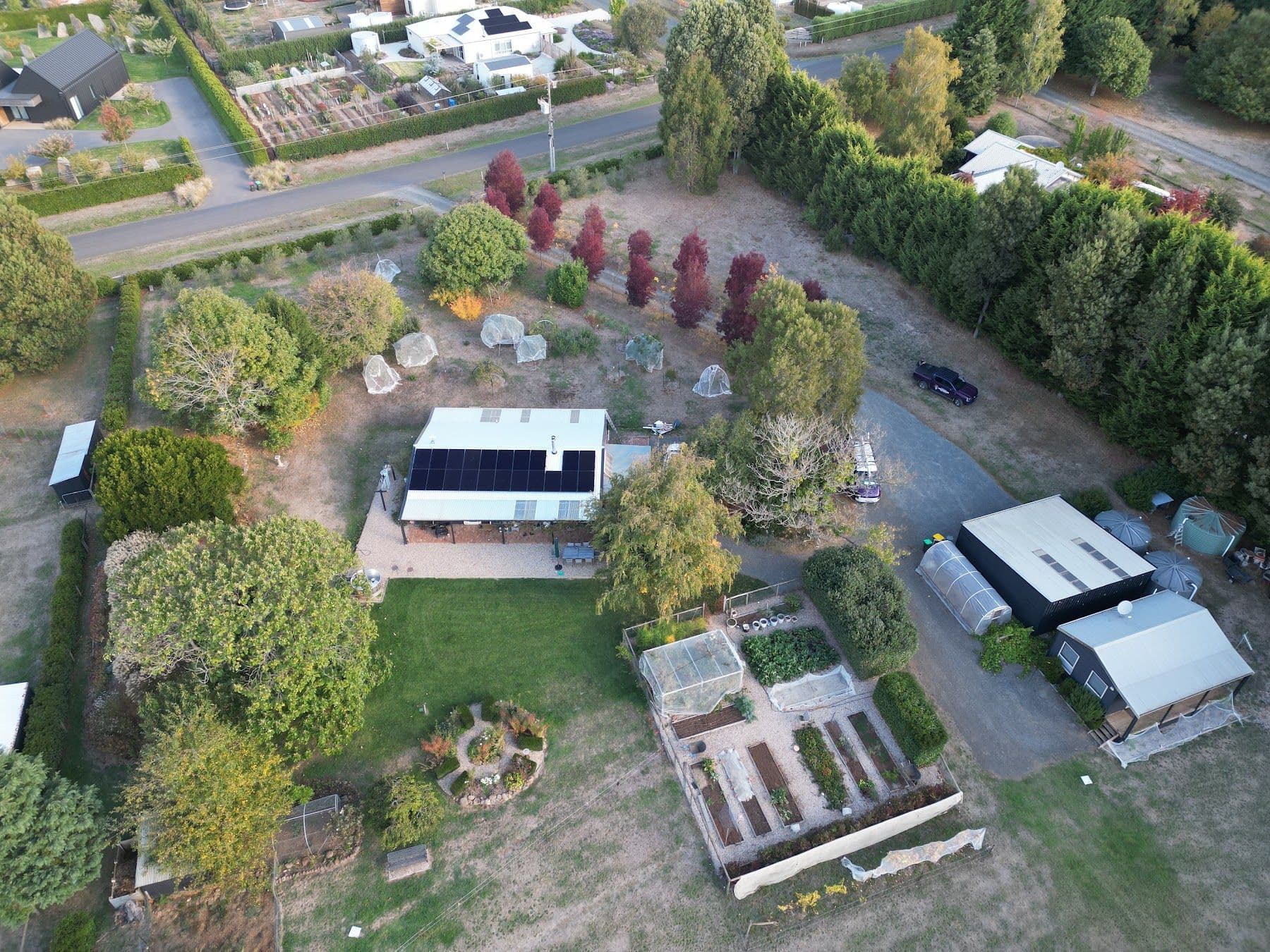
In Bacchus Marsh, a west-facing roof is not the consolation prize it's often made out to be. The town sits down in a river valley, summer afternoons can be fierce, and the hours when a home needs power most are the late afternoon and evening. A west array produces less over a full day than a north one, but more of what it makes arrives when it's worth the most.
Why direction matters more than it used to
The old rule of thumb was simple: put every panel you can on the north roof and export the surplus. That made more sense when exports earned more. Victoria has had no minimum feed-in tariff since 30 June 2025, so the surplus you send to the grid at lunchtime earns very little.
The network tariffs have moved the same way. Powercor, which supplies Bacchus Marsh, made Time of Use its default network tariff from 1 July 2026 for new connections and homes connecting solar for the first time. Its windows are:
- Saver: 11am to 4pm
- Peak: 4pm to 9pm
- Off-Peak: 9pm to 11am
Powercor's own explanation is that rooftop solar floods the network from 11am to 4pm, and demand is highest from 4pm to 9pm. Every kilowatt-hour your panels make after 4pm is one you don't buy at the dearest time of day. Victoria's Midday Power Saver, with free power from 11am to 2pm on a plan every retailer must offer (up to 24 kWh a day), makes midday power cheaper still.
What a west array actually does
A north-facing array peaks around the middle of the day. A west-facing array peaks later in the afternoon, and with daylight saving in summer, the sun doesn't reach its highest point until after midday on the clock anyway. On a long summer day, a west array is still producing usefully as the air conditioner starts up and the evening routine begins.
The trade-offs are real, so they should be designed for, not ignored:
- Less total energy. Over a year, a west array makes less than the same panels facing north. You may need a few more panels to cover the same use.
- Weaker winters. With the sun low in the northern sky, a west roof gives up more in June than a north one.
- Hotter panels. A west array works hardest in the hottest part of the day, and panels lose output as they heat up. Jinko's Tiger Neo datasheet, for example, lists about 0.30 per cent less power for every degree the cells run above 25°C. Good airflow under the panels helps.
Splitting the array
If your home has more than one usable roof face, a very effective design splits the panels between north and west, or across east and west. Instead of one tall spike of generation at lunchtime, you get a broader, flatter curve that starts earlier and finishes later.
That has three practical benefits:
- More of the output gets used at home, because it's spread across more of the day.
- Less of it runs into your export limit. Powercor sets each home's export limit at pre-approval after assessing the local network, and a broad curve spends less time pressed up against that ceiling at noon.
- The inverter can be sized sensibly, since the two faces don't peak at the same time.
The catch is that panels on different faces must not share a string. Each face needs its own input (an MPPT) on the inverter, or panel-level electronics such as SolarEdge's optimisers. When you compare quotes, check that the inverter offered has enough inputs for the roof faces in the design.
Mind the inverter and battery too
On a west-facing house, the obvious wall for the inverter is often the one that takes the full afternoon sun. Most inverters protect themselves by reducing output when they overheat, so a shaded or south-facing wall is better. The same goes for a battery: every battery datasheet lists an operating temperature range, and a sun-baked west wall in a hot valley is the wrong place for one.
Where a battery fits
Even a well-designed west array runs out of sun by early evening. A battery stores the cheap midday surplus (or free power during the Midday Power Saver window) and runs the house through the 4pm to 9pm peak. The federal Cheaper Home Batteries Program creates 6.8 STCs per usable kWh for batteries installed up to 31 December 2026, dropping to 5.7 per kWh from 1 January 2027.
Since October 2024, every new, upgraded or replacement solar system in Victoria must also be emergency backstop enabled. The inverter has to stay online and be on Powercor's list of approved, onboarded inverters, so good wifi or a wired connection to the inverter is part of the job.
Getting it right
We're based in New Gisborne and work across this side of Melbourne. Our installers are accredited through Solar Accreditation Australia, every system is independently inspected by a licensed Electrical Inspector, and we handle the rebates and paperwork.
Read about our solar systems, or get a quote and tell us which way your roof faces.
Michael John
Central Solar, New Gisborne