
Local · 26 October 2026 · 5 min read
Solar and batteries in Diggers Rest and Bulla
Open, windy country, new estates and acreage with sheds. The practical side of putting solar and a battery on a Diggers Rest or Bulla home.
By Michael John, Central Solar
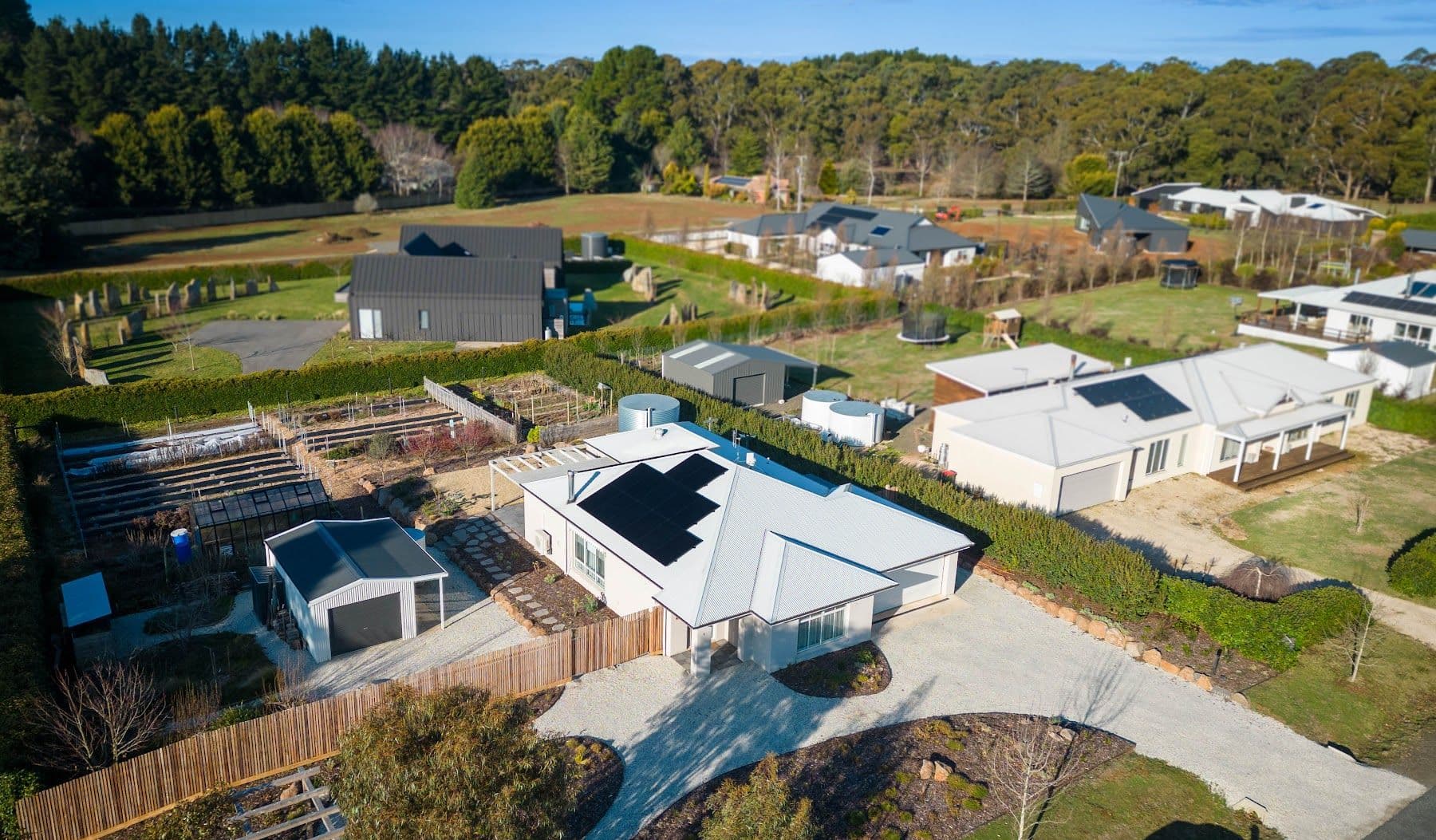
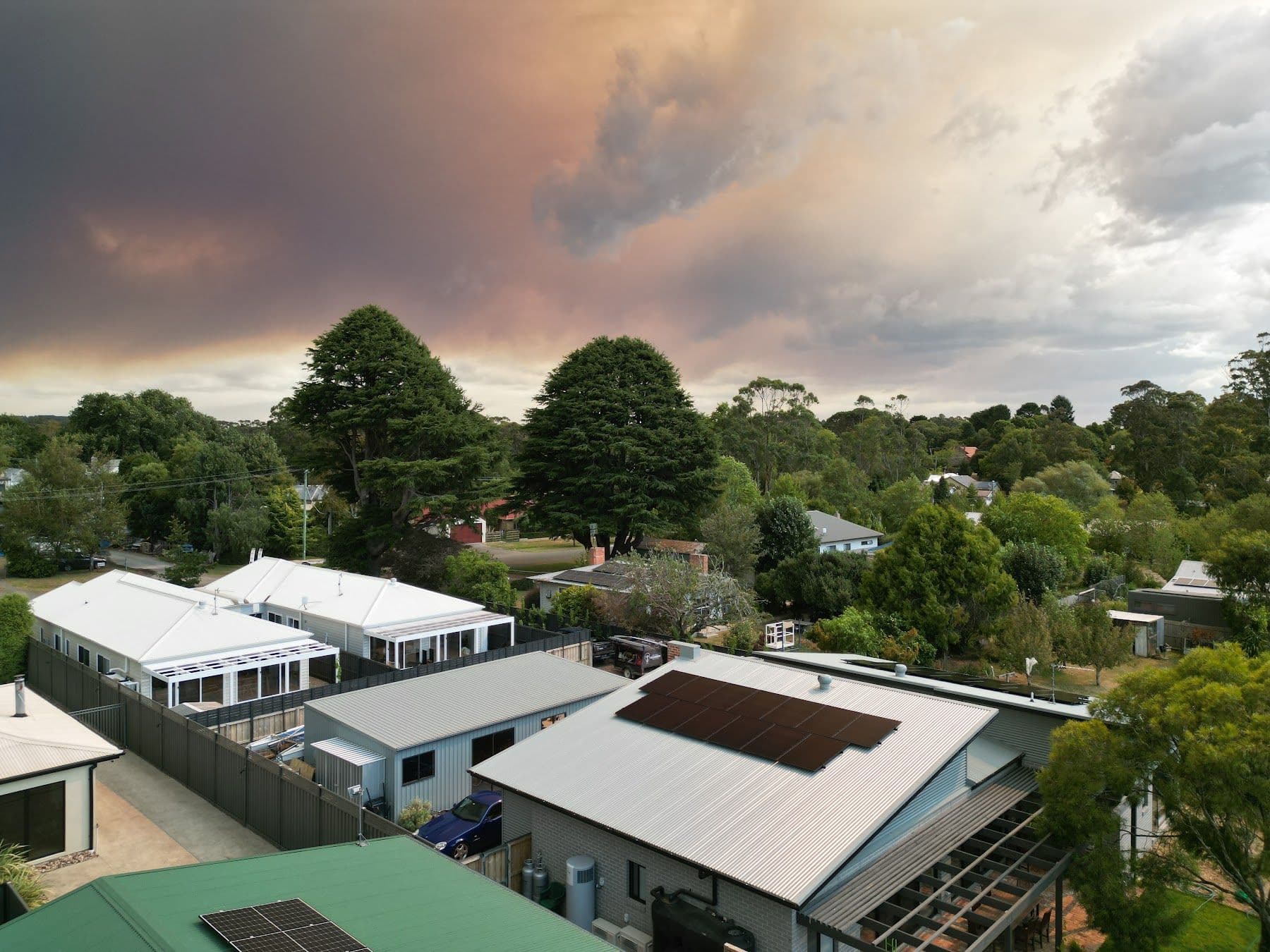
Diggers Rest and Bulla sit on open country where the wind has a clear run, and both are part of Jemena's network. Between them you'll find brand new estate homes in the growth corridor and rural blocks with sheds, long driveways and three-phase power. Those differences matter more to a good solar design than the postcode does.
Which network you're on
Jemena names both Diggers Rest and Bulla in the area supplied by its Sunbury and Sydenham zone substations, which together serve around 38,223 customers across rural land, established suburbs and greenfield growth areas. Jemena also reports both substations are running at high utilisation as the Sunbury and Diggers Rest growth corridor develops. Properties near a network boundary can occasionally be the exception, so your electricity bill is the final word on who your distributor is.
Under Jemena's basic connection, you can install up to 10 kVA of inverter per phase. Exports are capped at 5 kVA for a single-phase home and 15 kVA for a three-phase home. Larger systems go through Jemena's negotiated connection process and are assessed on their merits.
Every new, upgraded or replacement system has also had to be emergency backstop enabled since 1 October 2024. In practice the inverter must stay online at all times, because if Jemena can't reach it, the site's export limit falls from 5 kVA per phase to 0.5 kVA in total. On an acreage block, where the inverter might sit in a shed well away from the house modem, that's a real design question rather than a footnote.
Wind is a design input, not an afterthought
Solar mounting systems in Australia are engineered against the wind loading standard, AS/NZS 1170.2. Racking manufacturers such as Clenergy publish installation guides that tie the spacing of roof brackets and rail spans to two things: the wind region, which is set by the standard's map, and the terrain category, which describes how sheltered the site is.
A house tucked among other houses in a new estate is more sheltered than a farmhouse or shed facing open paddocks. The exposed site can need more brackets, closer together, with extra care near the roof edges and corners, where the wind pulls hardest. It costs a little more in hardware and time, and it's the reason a panel stays put in a gale.
New homes in the growth corridor
Newer estate homes bring their own quirks. Roofs are often broken into several smaller faces, so a system may need panels on two or three planes. That works best with an inverter that has more than one input, or with panel-level electronics on a complex roof.
Two storey homes need edge protection when we work on them. WorkSafe Victoria's falls rules apply to any fall risk over two metres, and a second storey roof is well past that.
The other thing new homes share is a garage, which is the natural spot for an inverter and battery. Every battery has a rated operating temperature range on its datasheet, and a wall that cooks in the afternoon sun is a poor home for one. A cooler internal or south-facing wall is usually the better choice.
Acreage, sheds and three phase
On a rural block in Bulla, the big shed roof is often more tempting than the house roof. It can work well, but it brings three checks:
- The cable run. Australian standards limit the total voltage rise from the inverter back to the grid connection point to 2 per cent of the nominal voltage. A long run from a shed to the meter may need heavier cable to stay inside that limit.
- The shed roof itself. Purlin spacing, roof sheeting and any skylights all affect where panels can go and how people can safely work up there.
- The supply. If the property has three-phase power, Jemena's three-phase export cap of 15 kVA opens up a larger system than a single-phase home could export.
Tariffs that reward evening power
From 1 July 2026, Jemena's default time of use tariff for new residential customers has a cheaper "solar soak" period from 11am to 4pm and a peak period from 4pm to 9pm. Jemena also offers an opt-in export tariff to all residential customers, which credits exports between 4pm and 9pm and can charge for exports in the middle of the day above a basic allowance.
Victoria's Midday Power Saver adds free power from 11am to 2pm on a plan every retailer must offer (with a 24 kWh daily fair use cap), and there has been no minimum feed-in tariff since 30 June 2025.
All of this points the same way. Lunchtime solar is cheap power. The value is in using it yourself, or storing it for the 4pm to 9pm stretch. A battery does exactly that, and the federal Cheaper Home Batteries Program creates 6.8 STCs per usable kWh for batteries installed up to 31 December 2026, dropping to 5.7 per kWh from 1 January 2027. Our home batteries page explains the tiers.
Who we are
We're based in New Gisborne, a short run up the road. Our installers are accredited through Solar Accreditation Australia, every system is independently inspected by a licensed Electrical Inspector, and we handle the rebates and paperwork. Mid and premium systems include remote fault monitoring, which is handy when the inverter lives in a shed you don't walk past every day.
When you're ready, get a quote and tell us whether it's the house, the shed or both.
Michael John
Central Solar, New Gisborne